
Search this site:


Phony Fendi EyewearSpotting Fake Fendi SunglasessNew Fendi sunglasses Pre-owned Fendi sunglasses Fendi plastic sunglasses Fendi metal sunglasses Fendi optical frames Fendi aviators Fendi Oversized Fendi havana Fendi brown Fendi brown+gold Fendi black Fendi $0-99 Fendi $100-149 Fendi $150-199 Fendi $200-249 Fendi $250-299 Fendi over $300 Fendi Guides: Fendi sunglasses [1] Fendi sunglasses [2] This 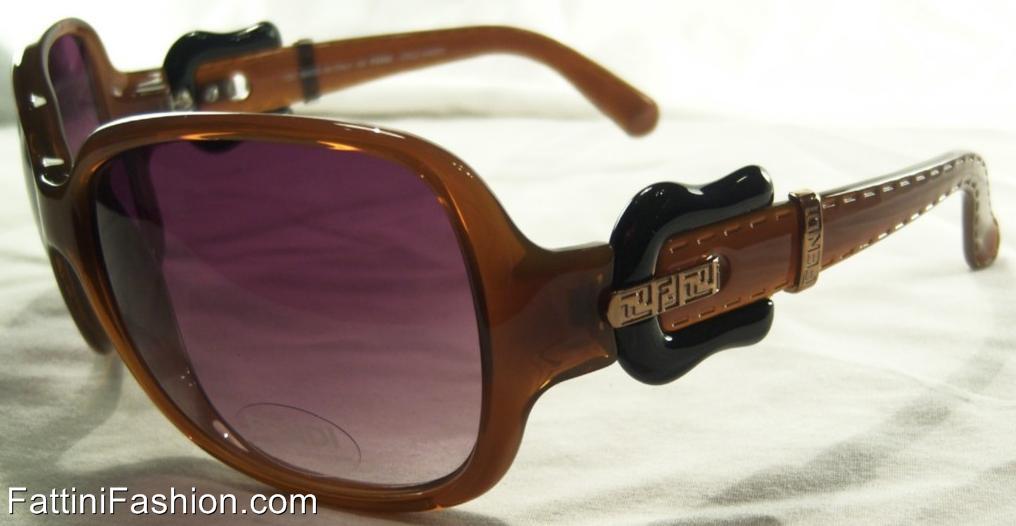
The image of the real Fendi sunglasses (above) displays the authentic Fendi lens sticker. The stickers are generally clear and located on the bottom left corner of the left lens. This however, may change at any time. So less important is the placement of the sticker, and more important is the quality of the sticker. Note: When shopping online at venues such as ebay or Amazon, it is possible that some of the authentic Fendi sunglasses may not have a lens sticker. This could be due to a few different factors. The glasses could have been display models, or off-season merchandise (see: frontloads) that has been in storage and due to the humidity or length of storage the sticker may have simply come off. So a pair of Fendi glasses without a lens sticker does not automatically indicate that they are fake. But it is something that should be noted when inspecting the overall quality and eyewear package. 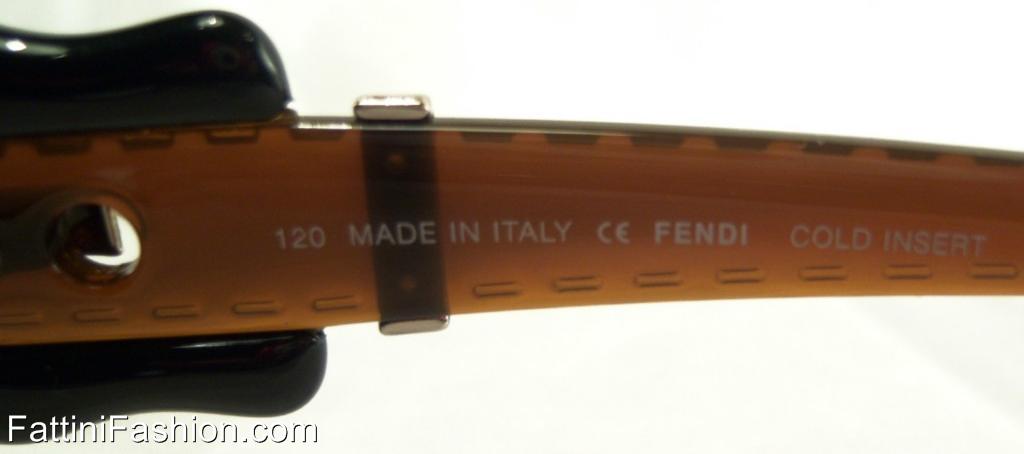
The authentic Fendi glasses (left) display the inner temple arm, and some of the info that should be printed there. From right to left: [1] 120 This refers to the length of the temple arm. The full three sunglass dimensions will be stamped on the opposite temple arm. Along with the model number and color code. [2] Made in Italy: This is obviously the origin stamp. Fendi manufactures their sunglasses in Italy almost exclusively. [3] Fendi The Logo/font. Unlike designers like Prada and Armani that utilize unique characters or fonts in their logo, there is nothing really unique about the Fendi font. This makes spotting a fake Fendi logo/font slightly more difficult. But not impossible. The logo should still adhere to authentic quality standards, be clear and crisp and always evenly spaced, and never appearing crooked in relation to its background (in this case the temple arm). An exception to this is if the temple arm begins to shift into a dynamic shape, then the logo may appear crooked. But in fact it is not the stamp that is crooked. In a case like this, it is the temple design that begins to change directions, not the stamp. [4] Cold insert: This refers to the type of material/chemical compound used in the glasses to reduce heat. It is not exclusive to Fendi, a few other brands utilize this innovation, but for the most part you will generally see the cold insert primarily on Fendi eyewear. Most fake Fendi glasses will not have this feature, but they will stamp it on the temple. Falsly representing this innovative feature in the same way many fakes falsly represent 100% UV/UVB protection, polorized lens etc (when the claim is not true, the glasses can be dangerous for your eyes). So a "cold insert" stamp alone on the temple does not mean anything by itself. [ebay] Fendi plastic sunglasses Fendi metal sunglasses Fendi optical frames Fendi aviators Fendi Oversized Fendi havana Fendi brown Fendi brown+gold Fendi black 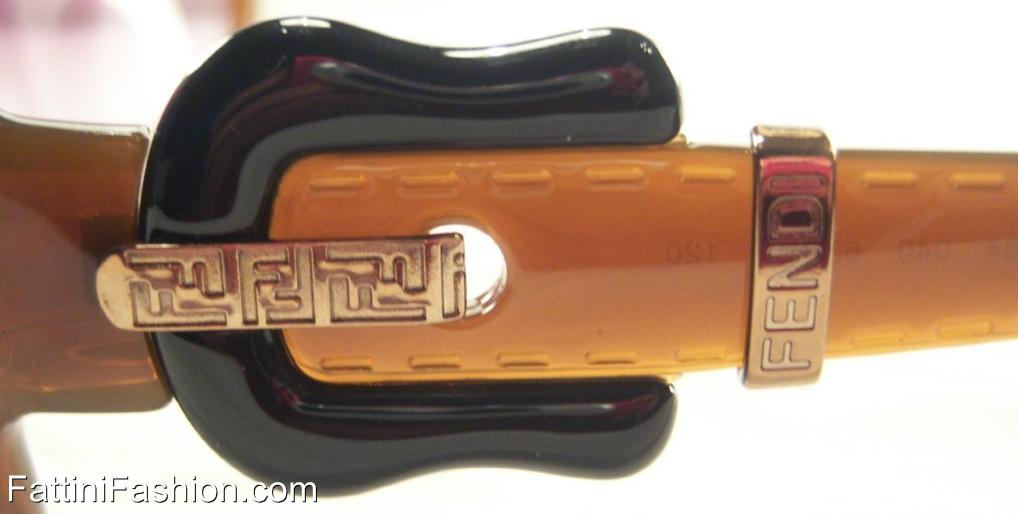
However, on the authentic Fendi sunglasses (image), they also have a logo that has been cut in half. The metal inserts that are on both sides of the temple, were most likely at one time part of a whole piece that was stamped first, and then cut in half. But many fake Fendi sunglasses like this do not have sliced logos. Instead the FF patterns on the fake metal inserts may be centered, without any half logos. What this implies is that the counterfeiter stamps the logos on seperately, on each individual insert. (This is the opposite of how they would handle material for handbags). This process, of stamping on the logo after the metal insert is cut, would mean that none of the FF stamps would be sliced in half. So in this case, the asymmetric pattern tell used to spot fake handbags like [L.V.] and Coach handbags actually reverses, and the assymetric logo in this specific situation actually helps fortify a position of authenticity. One way to check for this is to compare the two metal temple decorations. The first temple should have one half of the logo and the second temple insert should have the other half of the logo. If one temple has say 60% of the FF, the other side should have the remaining 40% of the FF logo. Note: This is a rare case. In the majority of cases, Fendi logos should always be symmetric. Generally any uneven logo pattern is a reliable sign of a fake. We highlighted this tell to illustrate the importance of taking all things into consideration when inspecting designer sunglasses like Fendi. 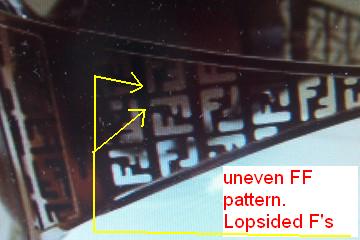
[ebay] Condition New Fendi sunglasses Pre-owned Fendi sunglasses Fendi sunglasses by style Fendi plastic sunglasses Fendi metal sunglasses Fendi optical frames Fendi aviators Fendi Oversized Fendi havana Fendi brown Fendi brown+gold Fendi black Fendi sunglasses by price Fendi $0-99 Fendi $100-149 Fendi $150-199 Fendi $200-249 Fendi $250-299 Fendi over $300 Fendi Guides: Fendi sunglasses [1] Fendi sunglasses [2] |